
Residences
Loveless designed dozens of the stately homes in Seattle and the surrounding areas. Many of these homes have been lovingly cared for by stewards lucky enough to call each one “home”. Many of these homes were researched, documented, and photographed and can be found in the book.
Here is a sampling of what we have included:
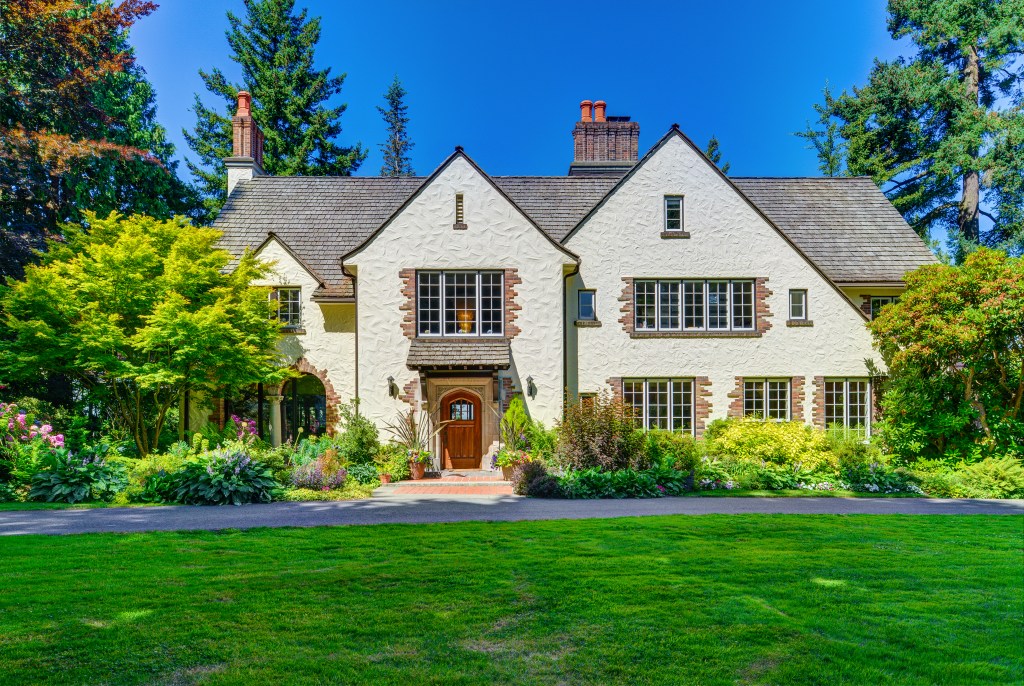
Colman Residence
Lawrence Colman commissioned Loveless to build a grand 8100 square foot home on the property which he named “Laurentide.” The property had extensive views of Lincoln Park and Vashon Island. Loveless designed this home as an English Tudor style with textured stucco exterior, a heavy oak front door, sweeping pitched rooflines, and a shake roof. The home includes 8 bedrooms, 5 fireplaces throughout the house, 2 primary bedroom suites, upper-level servant staff quarters and an interior elevator.
Bloch Residence
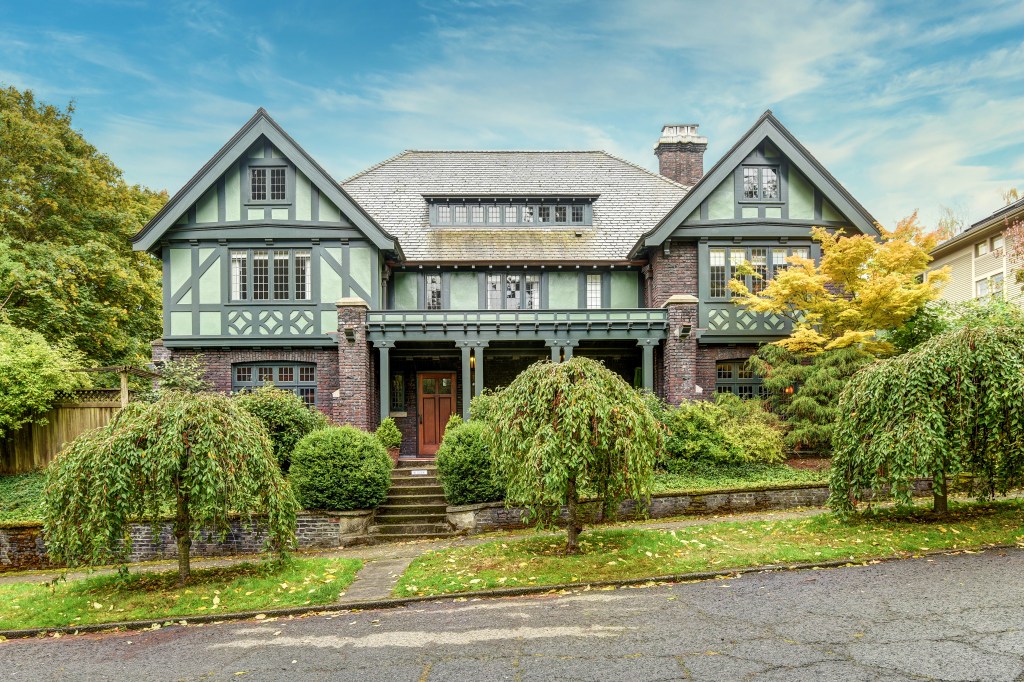
This home was designed in 1908 and is located near Volunteer Park on Capitol Hill. The Bloch residence is an example of a Tudor Revivalist style with medieval influences. The 7520 sq.ft. home has 5 bedrooms and 4 baths. The exterior features a brick façade with half-timber/stucco detailing, heavy oak front doors and lead paned windows. Many original features in the interior rooms remain including herringbone patterned oak floors, classic wood paneling, quarter sawn-oak pocket doors, and five fireplaces featuring varied patterned Craftsman tiles. Today, the original ballroom on the 3rd floor has been converted into a large library.
Kinzer Residence
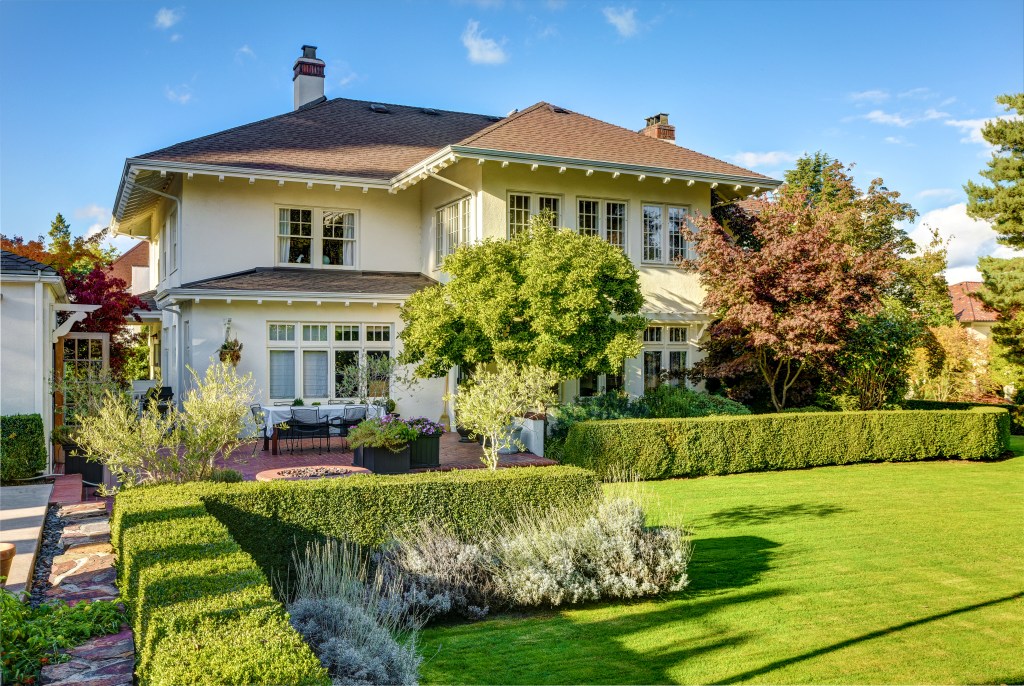
This home, located in the Mount Baker neighborhood, was built for Phillip Kinzer, but its more notorious owners were Roy and Elise Olmstead, prolific bootleggers. Communications operated off the second floor sunporch. It was suspected that the children’s bedtime hour radio show was used to relay coded messages to the various rum-runners employed. Suspicious of the activities, federal agents employed illegal surveillance techniques and wiretapping to catch Olmstead. Olmstead found out about the wiretapping and would deliberately mis-lead FBI agents listening by sending them to false drop-off locations. Olmstead, his wife, and nine other men were arrested in 1924. The interior of the house is much the same as it was when built with a split landing staircase with extensive windows. The lot is a level corner lot that has been upgraded with a sport court, and extended gardens. The enclosed sun-porch where the radio show was hosted is still intact right off the primary bedroom.
University of Washington
Loveless designed dozens of the stately homes in Seattle and the surrounding areas. Many of these homes have been lovingly cared for by stewards lucky enough to call each one “home”. Many of these homes were researched, documented, and photographed and can be found in the book.
Here is a sampling of what we have included:
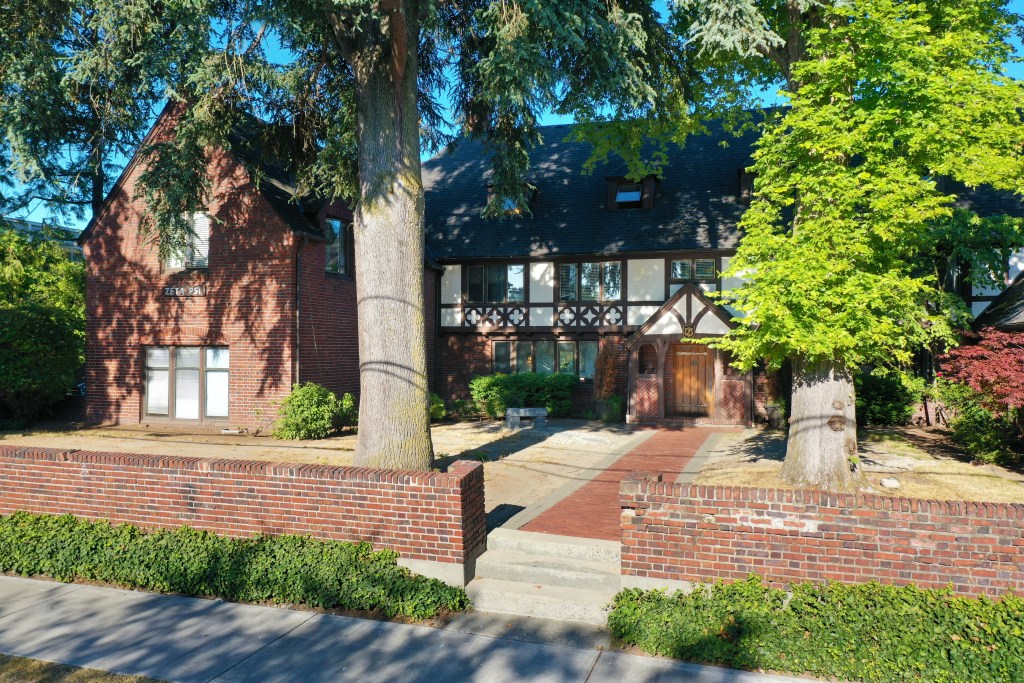
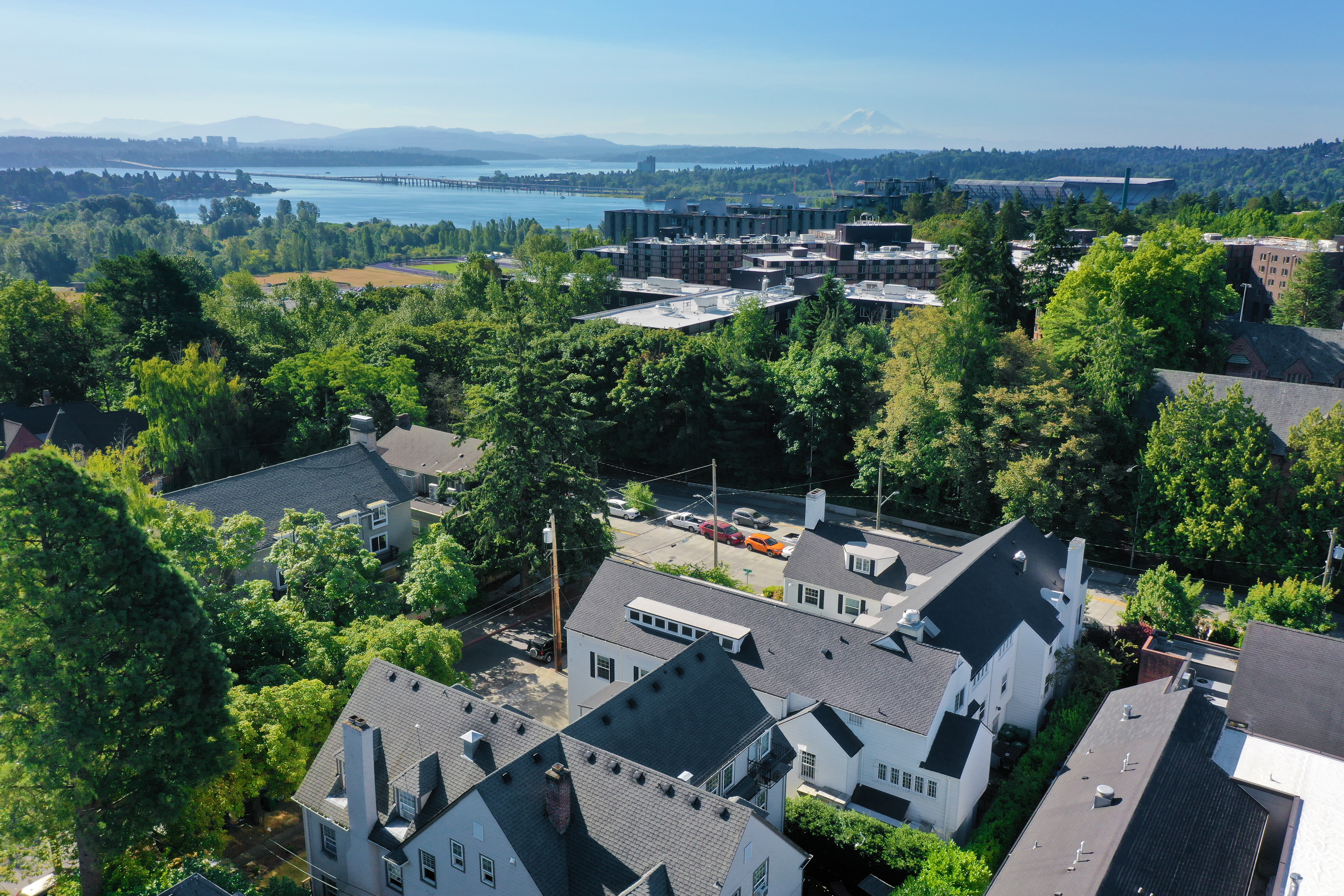
Greek Row
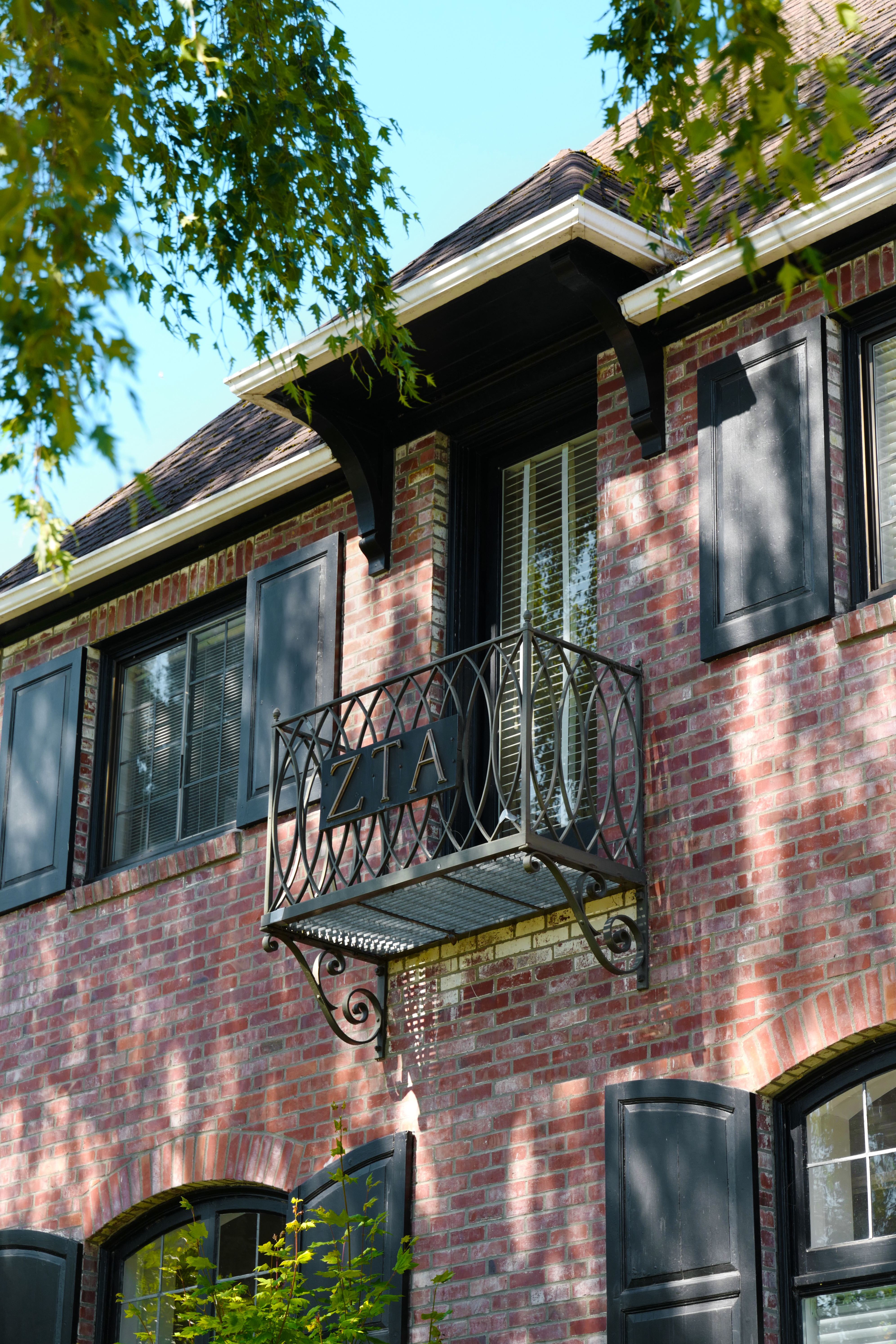
Arthur Loveless designed more University of Washington Greek Row homes than any other architecture firm. While some have been extensively remodeled over the years, the influence of his designs helped shape the style and overall image of UW’s Greek Row which is still vibrant and active today.
Fraternities and sororities include:
- Alpha Gamma Delta
- Phi Sigma Kappa
- Evans Scholars of Washington
- Alpha Xi Delta
- Theta Xi
- Alpha Theta Delta
- Alpha Epsilon Pi
- Beta Theta Pi
- Zeta Tau Alpha
- Delta Gamma
- Zeta Psi

Washington Park Arboretum Gates
The University of Washington hired Loveless and Fey to collaborate to design the Gatehouse entrance to the new Arboretum Park managed by the University of Washington.

Many more images and details on these amazing structures are found in the book.
Public Spaces
Arthur Loveless designed several well-loved public spaces in the greater Seattle area. These are spaces that are still readily used and appreciated today.
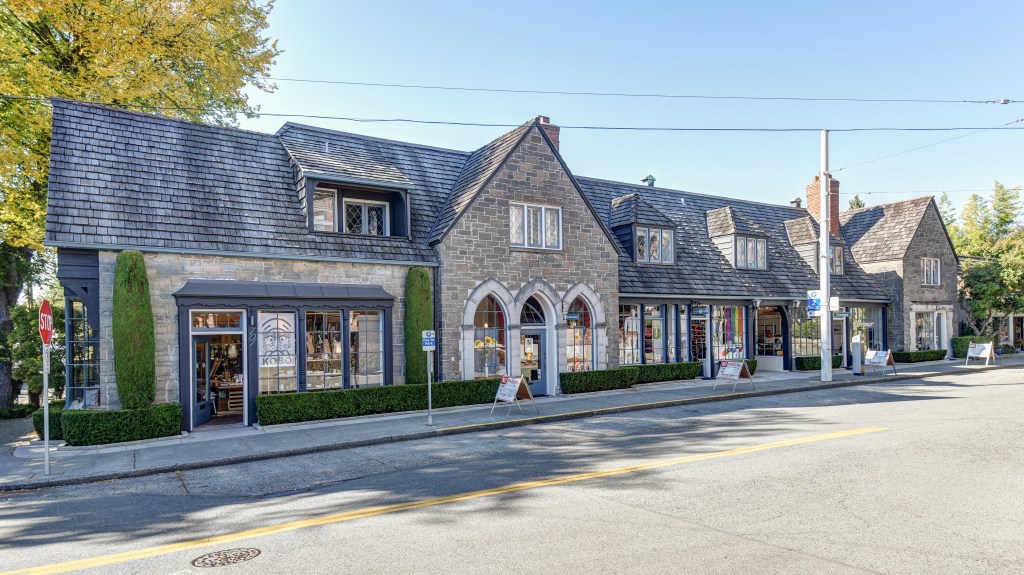
Loveless Studio Building
Loveless designed the building located in the Capitol Hill neighborhood as a work/live shared space for artists, a concept found more common in Europe, and one he wanted to promote as he was a supporter of local arts and artists. Today, the building remains a vibrant destination for community experiences of both retail shopping and dining on the street side, plus rental housing in the ten apartments accessed through the courtyard.
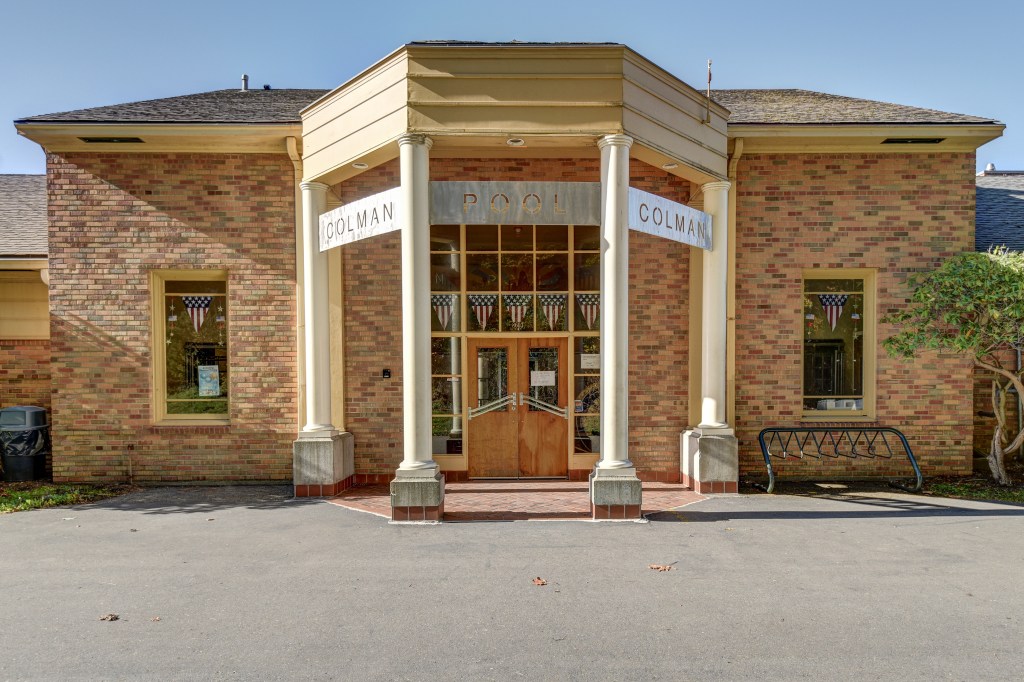
Colman Pool
Located on the idyllic beachfront in Lincoln Park, the saltwater swimming pool cost $100,000 to build. The pool design included a two diving boards, a clubhouse and locker rooms. Thousands of kids since the 1940s have spent hours at this pool and it continues to be an immensely popular community destination every summer.
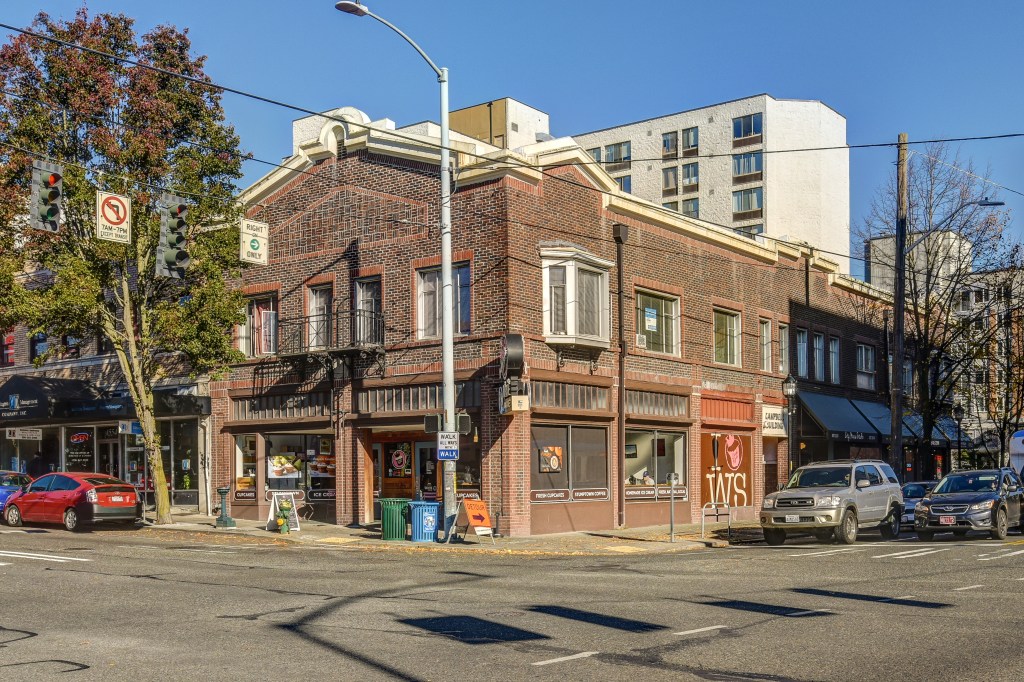
W.T. Campbell Building
Considered the most significant and recognizable “anchor” building and the heart of the West Seattle Alaska Junction district, the Campbell Building sets the tone of the character of this neighborhood. The West Seattle Historical Survey group has determined that the building is significant enough to be considered a grade A candidate for landmark preservation status. It continues to house both retail and business office space and has always been a commercial retail and office building throughout the decades.
 Arthur Loveless